
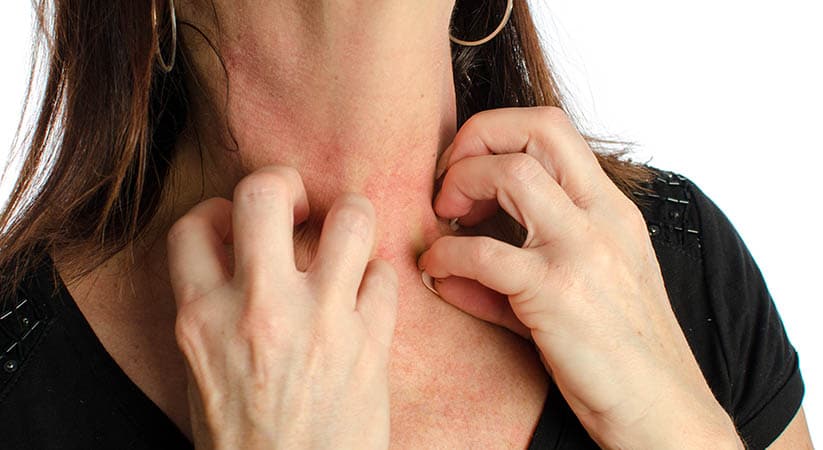
Fall allergies, like other allergies, occurs when the immunity system goes crazy and starts combating the things or foreign elements that must to ignore. People who do not suffer from fall allergy, their immunity system do not react to the pollen of trees and plants during the fall season. But those who suffer from allergic reactions, their body constantly produce cells to fight out the pollen.
In most cases, such occurrences are genetic. If parents suffer from the problem, their children will also suffer. If the parents do not suffer, children have only 5% of chance to suffer from allergies. A trained allergist must be summonsed in case if reactions occur every now and then. He will test your skin to reveal the allergen. He will acquaint you with the triggers causing reaction so that you avoid them. Fall season reaction is also known as mold or ragweed allergy.
Cause of fall allergy
Allergic reactions tend to worsen in the season of autumn. The weed pollen or the ragweed is the primary cause here. During the season of autumn, mold gets worsened. This is all due to the decay of plant material, the leaves and clipping grass. Ragweed can cause severe symptoms for those who suffer from the reaction. In fact, a combination of mold and ragweed acts as double whammy. The pollen of Ragweed spreads through the wind and air and may be seen with the naked eyes. In the morning hours, the amount of pollen in the air is high. Along the highways and onto the fields, ragweed grows in plenty. In the Southwest, the cedar elm pollinates to spread the allergy.
Symptoms of fall allergy
The most common symptom of the allergy is runny nose, itching, watery and red eyes, frequent coughing and sneezing. To get rid of the symptoms, you need to take necessary steps. Now, it is not difficult to avoid the spring allergy as the antihistamines are there. You can visit any of the counters to avail the drug and avoid the triggers or get rid of the situation. When the weeds in the spring or autumn pollinate, the allergy trigger takes place. During the summers, pollination is heavy.
Weather, genetics and geography cause ragweed allergy. If you notice itchy eyes, causing a lot of discomfort, visit the doctor then and there. The allergy is the consequence of alternaria regional allergens and in fact a season is called bad due to the bad pollen season. It is important to visit allergy and asthma clinics.


