
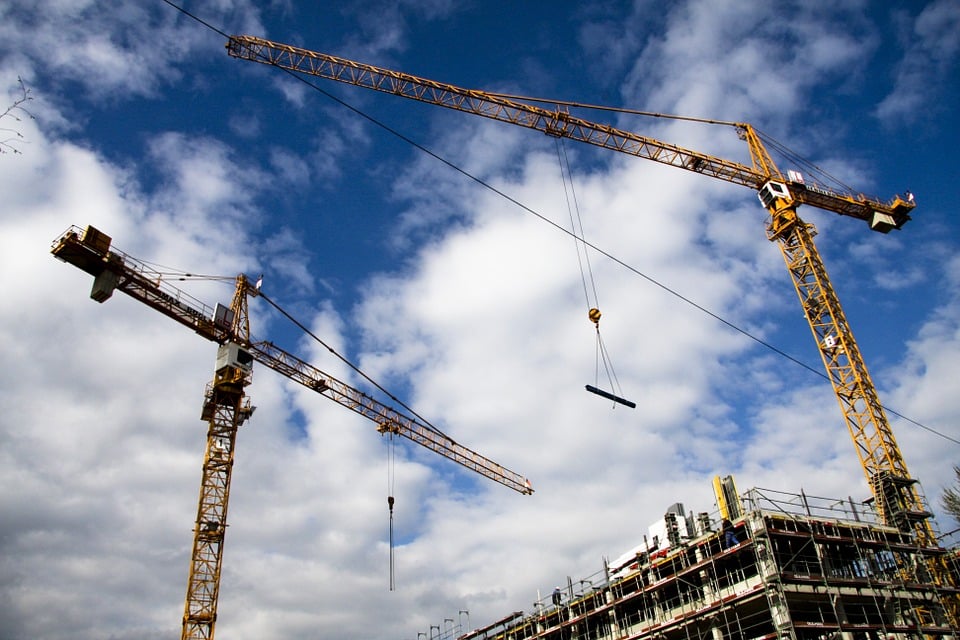
Cranes are one of the best human inventions. There was a time when manual trolleys were used to carry concrete and similar types of heavy material. Today, there are a variety of cranes specifically designed to load and shift different types of weights. They are used in many types of industries for various tasks. As they are expensive equipment, for many projects, crane rentals are the right option. Although cranes tend to make lifting and construction tasks a lot easier, there are always some risks attached. So, let’s take a look at some important tips to prevent serious accidents and ensure everything goes smoothly.
Select The Right Crane For The Job
As mentioned earlier, cranes come in a variety of different shapes and sizes depending on the tasks that need to be carried out. For example, cranes used in the construction industry to lift and move extremely heavy loads like concrete blocks are a lot bigger in size and are mostly used outdoors.
Meanwhile, cranes used in the packaging or transportation industry tend to be relatively compact to be able to work indoors lifting and shifting electronic, mechanical, and other items. This means that if you plan on renting or purchasing a crane, you should be familiar with the different types.
The best way to do that is by first defining your needs and preferences. This will help you narrow down the options instead of wasting both time and effort on going through a sea of options that aren’t needed. Then, you should determine the requirements of the task.
The key is to balance and match your needs and preferences with the requirements of the task. For this, you should consult an expert. This will also help save your money from going down the drain.
Read Operator/User Manual
A common mistake made by the operators when it comes to operating cranes is not going through the user manual. Underestimating the importance of the user manual has resulted in serious consequences in the past and you should avoid them at all costs.
Considering that cranes differ based on specifications and features, you need to keep in mind that not every crane functions on the same principles. Cranes come with different loading capacities and ignoring them will surely lead to accidents.
At the same time, you should also be aware of the safety and security features in case something goes unexpectedly wrong. If the operator is not familiar with the crane, they might end up pushing a button that could drop the load or imbalance the machine. So, reading the user manual should be the very first thing to be considered as soon as the operator jumps in the operator cab.
Perform Daily Operator Checks
A crane operator must follow a daily crane inspection checklist to ensure the crane does not have any cracks, leaks, or damages. Since cranes are designed and tend to lift extremely heavy loads, it is normal for minor cracks and leakages to take place.
But what is not normal is ignoring these concerns as they can easily turn worse. You have to keep in mind that cranes use pressure and oil to lift heavy weights. If there is a crack or leakage of some sort, the loss of pressure will cause the crane to lose weight.
Plus, the leakage of oil will also make it difficult for the hydraulics to function. So, if the operator were to perform routine checks both before and after operating the crane, it would significantly lower the chances of accidents.
Some states require operators and contractors to perform inspections as a rule. Any leaks or damages should be reported and fixed before the crane is operated. Otherwise, the contractor or the company can end up in a serious legal battle if an accident was to take place.
Avoid Or Clear Obstacles During Travel
If you are renting or purchasing a crane, you will have to make space for it as well. Another common mistake related to crane operations is clearing obstacles at the last minute. While you might think you are saving time, that is not the case here.
Instead, you will be moving and clearing things in a hurry which might lead to accidents. The correct way to do this is by planning and clearing the way well before the crane is supposed to arrive. You should consider the power, telecommunication lines, and other networks and systems that might pose a risk during the process.
You should have a team on the ground that keeps a lookout while the crane is arriving. This will help a lot in terms of making transportation smooth and safe.
Carefully Stabilize Crane Before Rigging
Modern cranes come with riggers that help stabilize the crane during operation. These stabilizing features play an important role when the crane is performing on uneven terrains. When utilizing outriggers, you have to follow certain protocols that are mentioned in the user manual as well.
The general rule of thumb is that the outriggers should not be used on depressions or unsteady ground. If terrains happen to be soft due to mud and all, you should avoid using the outriggers and shift the crane to another location for stability.
Plus, you should also keep an eye on the weather conditions. If the weather forecast says there are going to be strong winds and rain, you should avoid lifting and shifting loads during this time. Strong winds can trip the cranes over and cause a lot of damage.
Rig The Load Correctly
Rigging the load correctly is crucial to ensure the load does not fall and strike the workers on site. First, you will need to make sure the weight of the load does not exceed the maximum lifting capacity of the crane. Then, you will need to attach slings and other accessories to secure the load.
Whenever an angle other than vertical is used, additional forces are imposed on the slings, reducing the overall weight capacity. So, you need to be sure of using the correct slings for the weight. A complete understanding of the weight distributions, force, and rigging techniques ensures a stable lift of even the most irregular and heavy loads. If your team is not skilled in this area, you must consult rigging companies VA.
Ensure Maintenance
Maintenance of the crane is key to ensuring safe operations. Cranes should be regularly inspected and fixed by an expert who is licensed to carry out such tasks. Because cranes lift extremely heavy loads, there is no chance of mistakes.
With a maintenance schedule and log in place, it makes it a lot easier for the operator and other relevant authorities to keep an eye on unusual signs & symptoms.
Conclusion
Crane safety and hazard prevention is all about being a step ahead when it comes to inspections and following the standards. More than half of the problems wouldn’t even exist if the tips mentioned above were followed. There is no doubt that cranes offer convenience but not if you are careless with them. You have to be extra careful and even double-check things if you are working in complex situations to reduce the risk factor. Moreover, hire cranes from crane services MD who offer equipment made by the best manufacturers.


